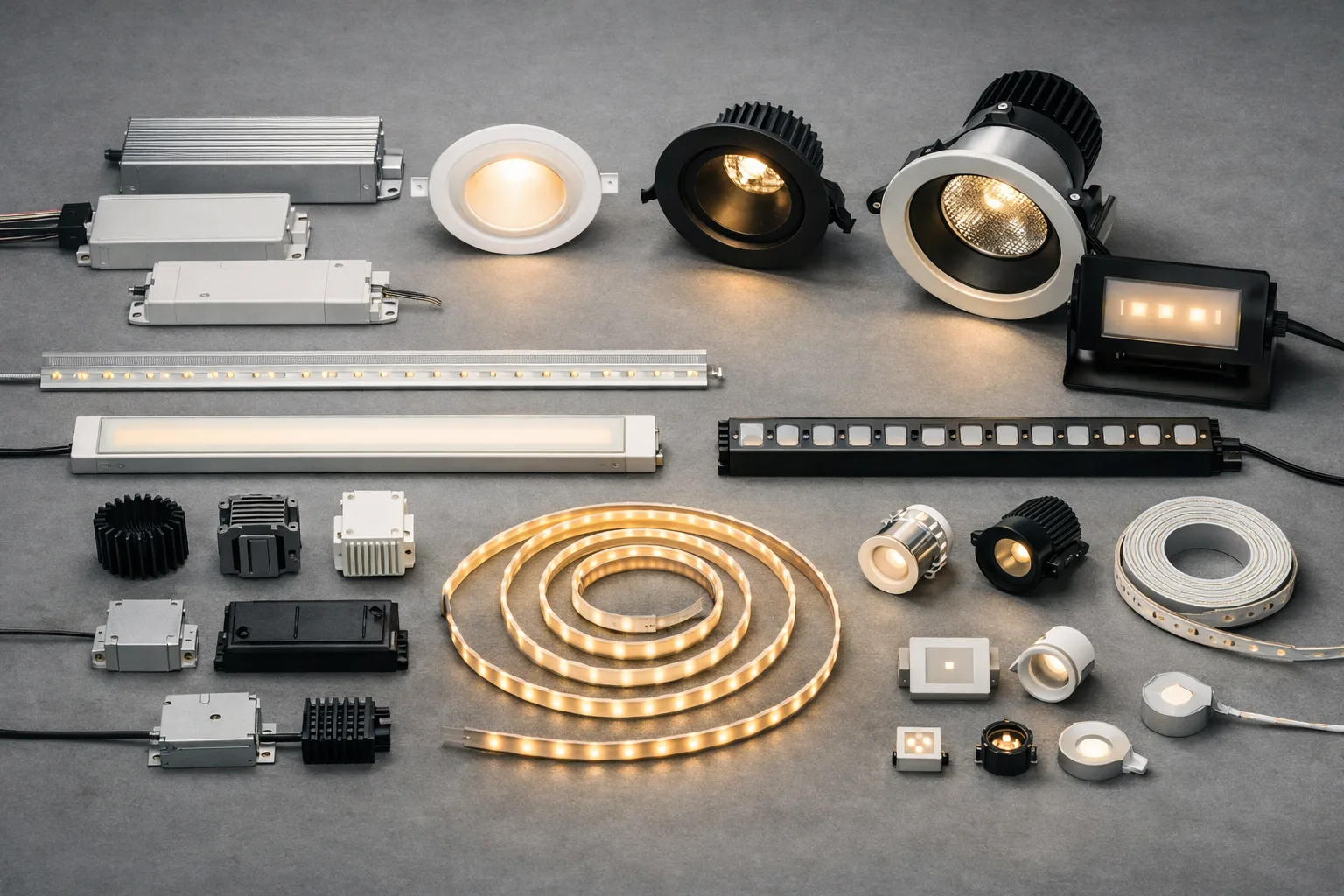
Section
Selection & calculation
Choosing drivers, dimming protocols, ingress ratings and emergency gear, and the arithmetic that decides whether a specification survives contact with a site.
Selection failures are rarely the LED
When a commercial installation disappoints, the light source is seldom the cause. The failures cluster instead around the interfaces: a driver that will not talk to the dimmer that was already on the wall, an inrush current that trips a breaker the moment a floor is switched as one group, an ingress rating that was read as a general robustness score, emergency gear specified without checking what the building's testing regime can actually service.
These are all decisions taken at selection, months before anyone stands in the finished room, and they are all cheap to get right at that point and expensive afterwards. That is what this section is about.
The arithmetic that decides the outcome
Two sums do most of the work. The first is the lumen method, which converts a target maintained illuminance into a luminaire count using room geometry, a utilisation factor and a maintenance factor. It is straightforward arithmetic, and it is wrong far more often than it is difficult, because the assumptions get borrowed from a previous project — surface reflectances that do not match the finishes, a maintenance factor carried over from a cleaner environment, a working plane at the wrong height.
The second is inrush. LED drivers draw a short, very high current peak at switch-on, and the datasheet peak is a single-driver figure. Thirty drivers on one circuit do not draw thirty times the steady-state current at switch-on; they draw something the breaker's magnetic trip has to survive, and a type B device trips at three to five times its rated current. The number of drivers a circuit can hold is usually set by that peak and its duration, not by the total wattage, and it is the reason a commissioning engineer sometimes cannot switch a whole floor on at once.
Ratings are structured, not ranked
IP is two independent digits against two independent tests — solids first, water second — defined in IEC 60529. It is not a ladder of general toughness, and IP66 is not "better than" IP67 in any sense that survives contact with the two definitions; they protect against different things. Mechanical impact is a separate code entirely, IK per IEC 62262, and an outdoor fitting needs both specified.
Lifetime works the same way. An L70 figure is an extrapolation from LM-80 measured data using the TM-21 method, and the extrapolation is capped at a multiple of the test duration precisely so that a claim cannot outrun its evidence. A "50,000 hour" number with no test duration and no drive current behind it is a marketing figure, not an engineering one.
Each page below takes one of these decisions, states the governing document, and shows the arithmetic with its inputs printed.
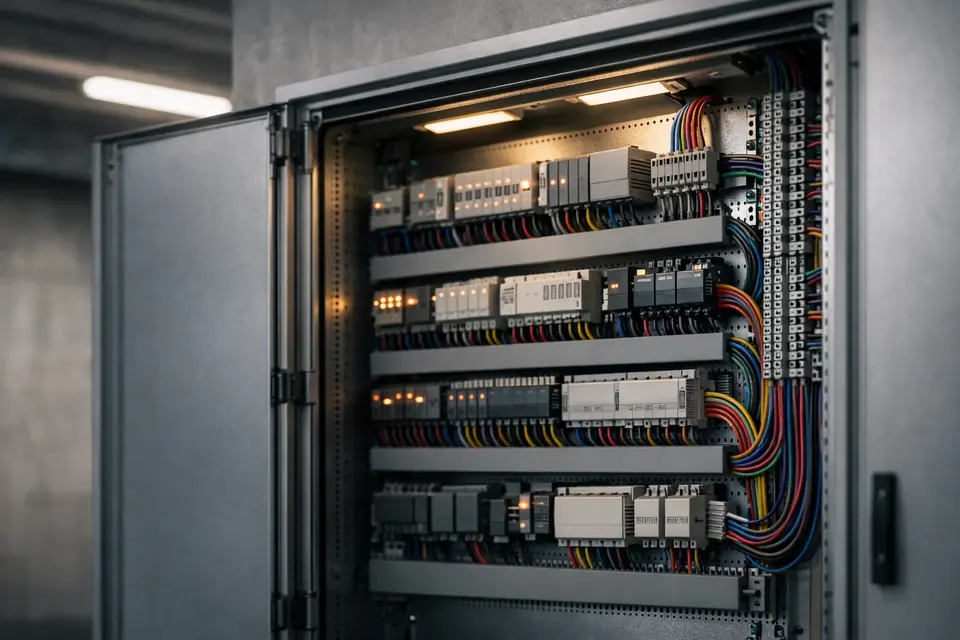 Choosing a dimming protocol: 0–10 V, DALI-2, DMX512, phase-cut and wirelessWhat each dimming interface can and cannot do, the wiring and topology mistakes that break each one, why commissioning labour rather than hardware cost usually decides, and the boundaries where one protocol stops being the right answer.
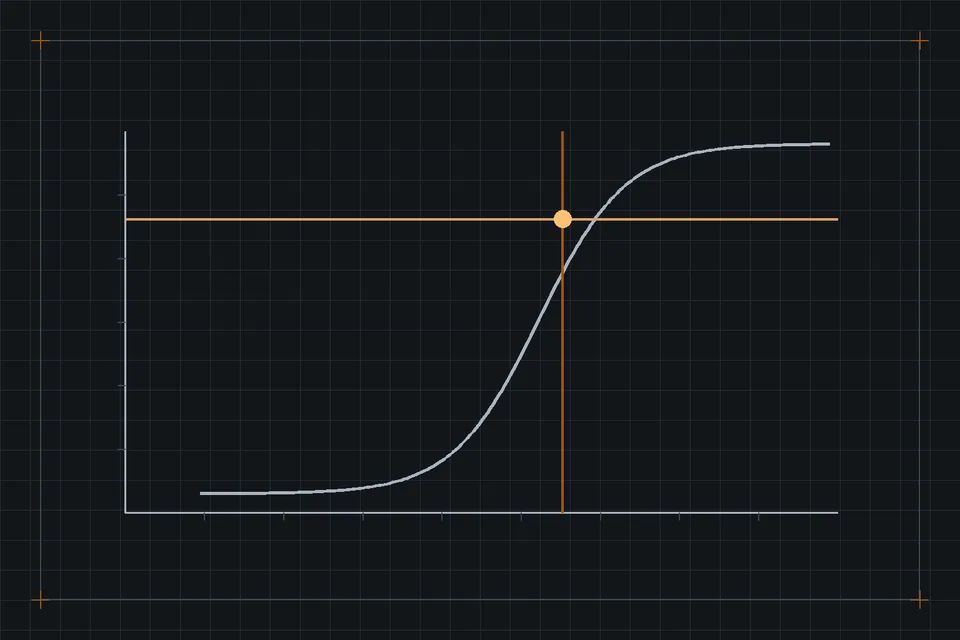 Constant current or constant voltage: choosing the wrong one is a wiring problem, not a preferenceWhat each drive architecture actually regulates, the forward-voltage tolerance stack that decides whether a pairing works, why constant voltage fails at distance and constant current fails at the compliance window, and the four questions that settle the choice before anything is ordered.
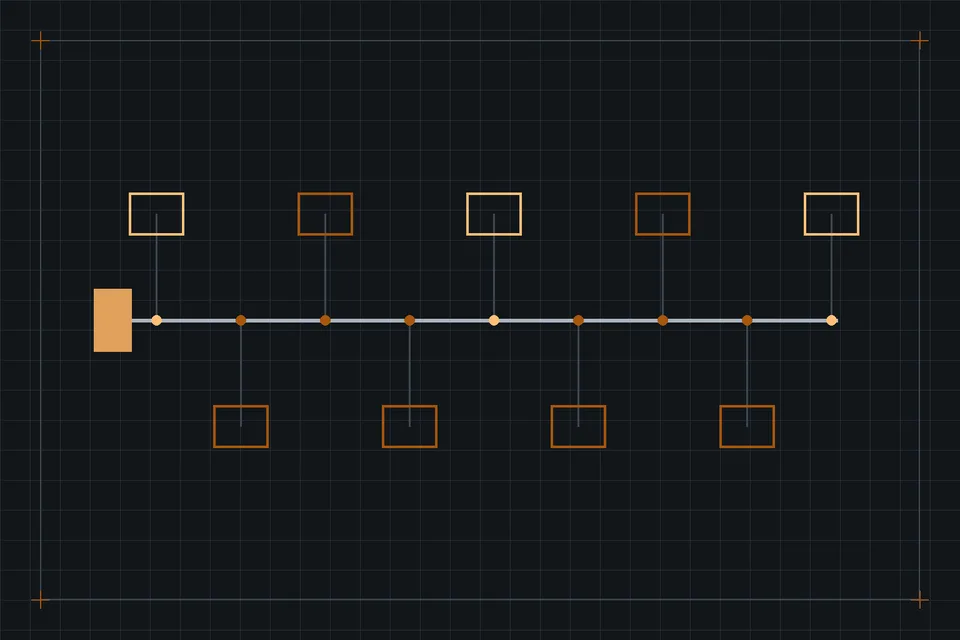 DALI-2 and D4i: what certification buys you, and what commissioning has to leave behindThe difference between "DALI compatible" and DALI-2 certified, how the bus budget and address limits constrain a design, what D4i adds inside the luminaire, the six documents a handover pack must contain, and the failure that turns a working system into an unmaintainable one.
 Emergency lighting: what the standards require, and why this one needs an engineerThe illuminance, duration and response-time requirements that define an emergency scheme, the difference between maintained and non-maintained operation, the testing regime that keeps it legal, and the specific reasons this is not a specification to assemble from a website.
 IP and IK ratings: what they test, and the four ways outdoor fittings fail anywayWhat each IP digit is actually tested against, why a higher second digit does not always include the lower ones, the breathing mechanism that fills sealed housings with water over years, and the corrosion and UV requirements that no IP number covers.
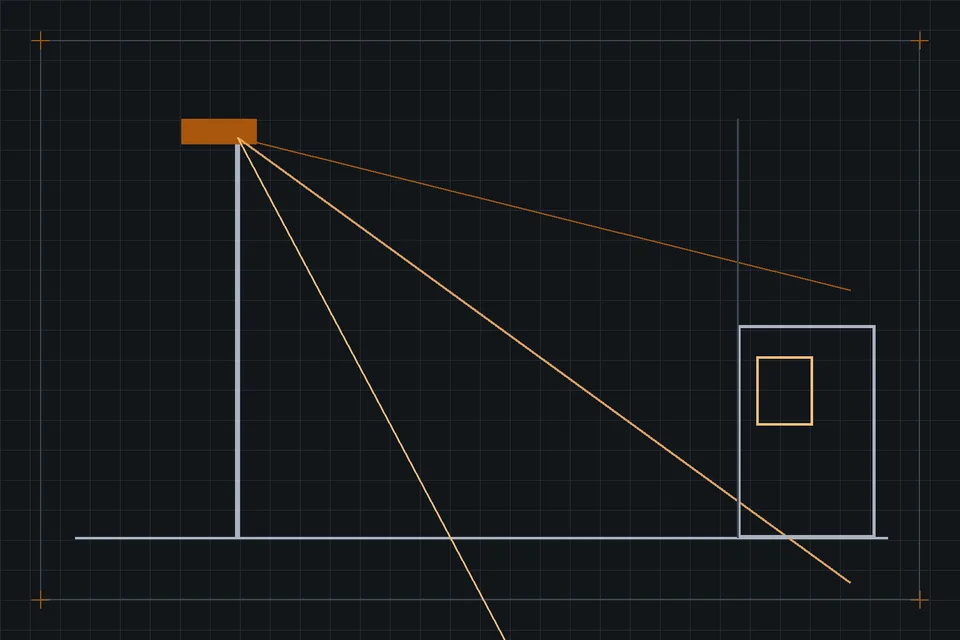 Light where it was not wanted: trespass, sky glow and the environmental zone you were assignedThe four obtrusive light quantities a planning condition actually controls, why environmental zone decides everything and is set before you are appointed, how a pole-retained retrofit makes trespass worse, and the measurement that settles a complaint.
 Matching a driver to an LED load, and the inrush problem nobody sizes forConstant current versus constant voltage, why the compliance voltage window has to hold at cold start as well as hot, why paralleling strings on a CC driver fails, and the inrush current that decides how many drivers you can put on one breaker.
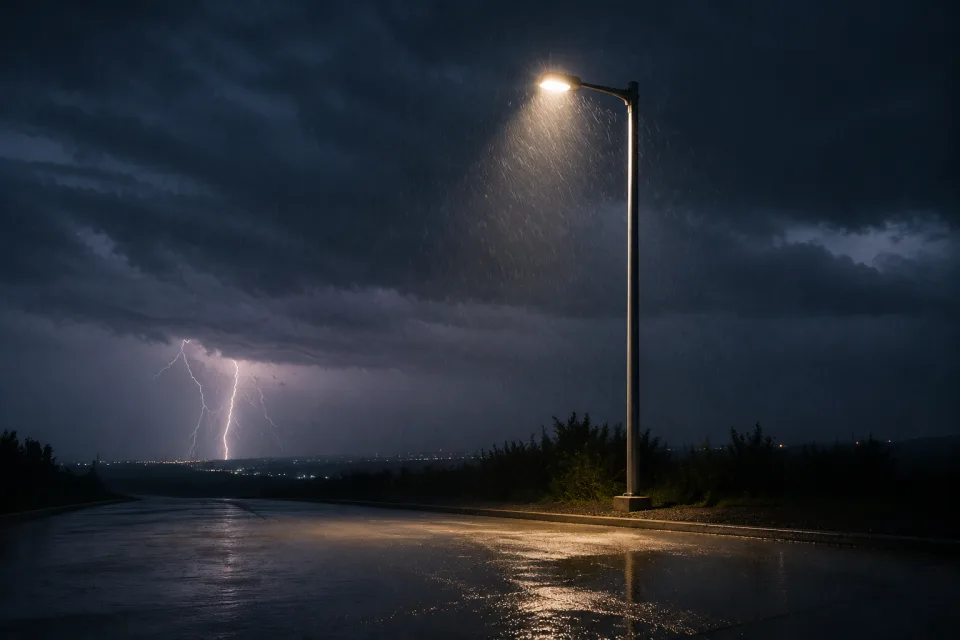 Surge protection for LED luminaires: the driver's 4 kV against the site's 10 kVWhere surges actually come from, differential versus common mode, what the combination wave figures on a datasheet mean, when the driver's built-in withstand is enough and when a separate SPD is required, how an SPD should fail, and why Class I versus Class II changes the whole scheme.
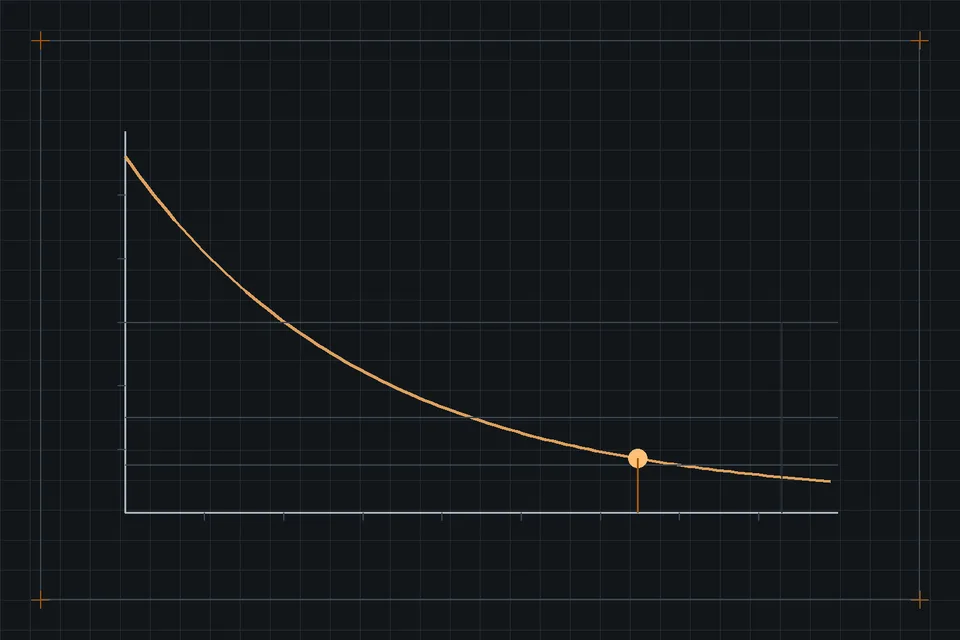 The driver dies first: reading the Tc point and what it predicts about lifeWhat the Tc marking on a luminaire means, why electrolytic capacitor life halves every ten degrees, how to turn a measured case temperature into an honest life estimate, what an in-situ temperature test must contain, and the ceiling-void conditions that quietly invalidate every figure on the datasheet.
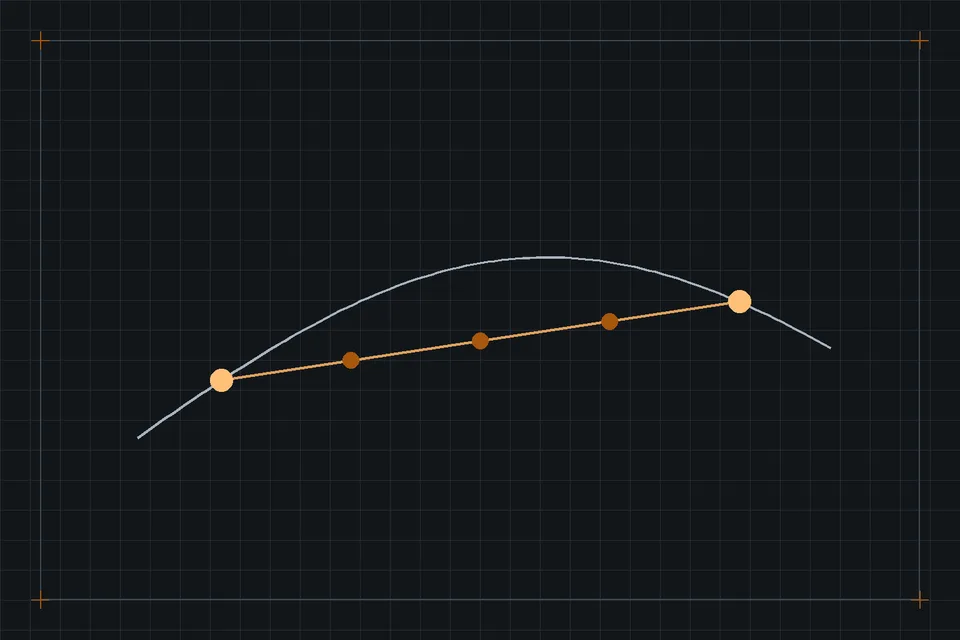 Tunable white, dim-to-warm and full colour: three products that get specified as oneThe control, wiring and photometric consequences of each colour-changing architecture, why the efficacy and CRI you were quoted belong to one set point out of hundreds, the Duv drift nobody measures across the tuning range, and how to write a clause that a contractor can price.
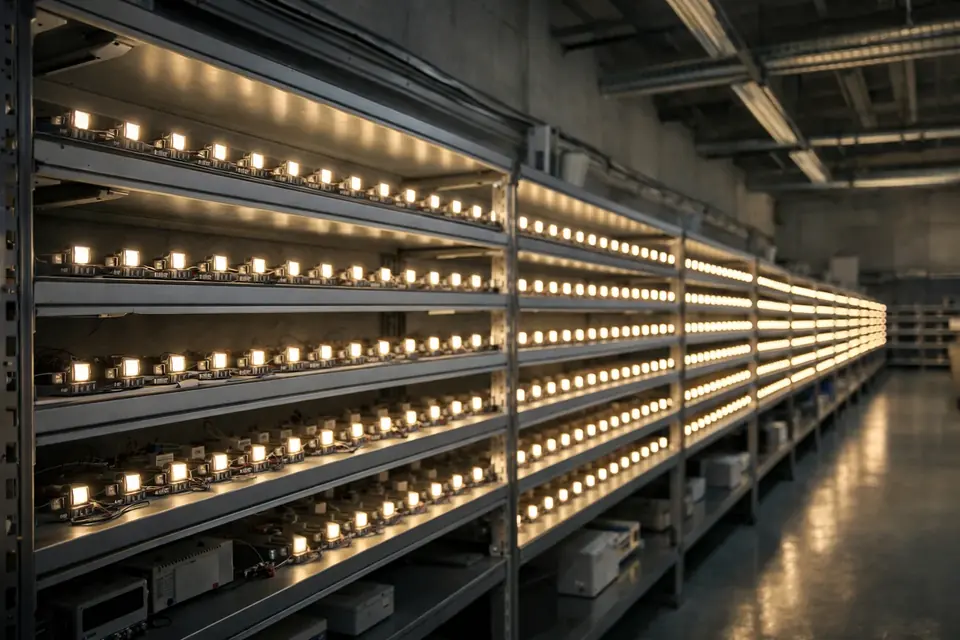 What a "50,000 hour" LED claim is allowed to meanHow LM-80 measurement and TM-21 extrapolation actually produce a lifetime figure, the 6× rule that caps how far a claim may be projected, why the number describes an LED package rather than a luminaire, and the component that usually fails first anyway.