
Section
Acceptance & QC
Incoming inspection, colour consistency, ageing tests — the checks that catch a bad batch before it is installed rather than after.
The sample is not the batch
Acceptance is the stage where a specification finally gets tested against what actually arrived, and it exists because the two are not reliably the same thing. The sample that was approved was assembled with care, possibly by hand, from components chosen for it. The delivery is production output, and somewhere between those two events a driver can be substituted, an LED bin can shift, a thermal interface material can change supplier, and none of it will be visible from the outside of a carton.
Nothing here assumes bad faith. Component substitution is a normal response to a supply shortage, and a manufacturer who swaps a driver for an electrically equivalent part is often right to. The point of incoming inspection is that "electrically equivalent" is a judgement someone made without knowing what your installation is sensitive to — and that judgement is much cheaper to check on a loading dock than to discover from a floor of installed fittings.
Check at delivery, not after installation
The economics of this are stark and they drive everything else in this section. A fitting rejected on arrival costs a conversation with the supplier. The same fitting rejected after installation costs the labour twice, the access equipment twice, and a programme delay, and it converts a straightforward warranty claim into an argument about who bears the installation cost. Sampling across the delivery rather than from the top of the nearest pallet matters for the same reason: batches are not homogeneous, and a substitution part-way through a production run is exactly the failure mode that a convenience sample is guaranteed to miss.
What the checks can and cannot establish
Each check has a boundary worth understanding before you rely on it. A burn-in soak catches infant mortality — the early failures that cluster in the first hours of operation — and it is genuinely worth doing on a large delivery. It cannot validate a lumen maintenance claim, and no accelerated test available to a buyer without a laboratory can, because the degradation being claimed happens over tens of thousands of hours and does not compress.
Colour consistency has a similar subtlety. An SDCM step bounds an ellipse around a target chromaticity; an ANSI C78.377 bin is a quadrangle, and the two are not interchangeable ways of saying the same thing. Consistency is then lost again at four separate stages between LED binning and the installed wall, which is why same-batch fittings can still visibly disagree.
The last thing worth saying: record it. A dated, signed worksheet with the sample size and the instrument on it is what makes a supplier conversation short six months later. The pages below include blank ones.
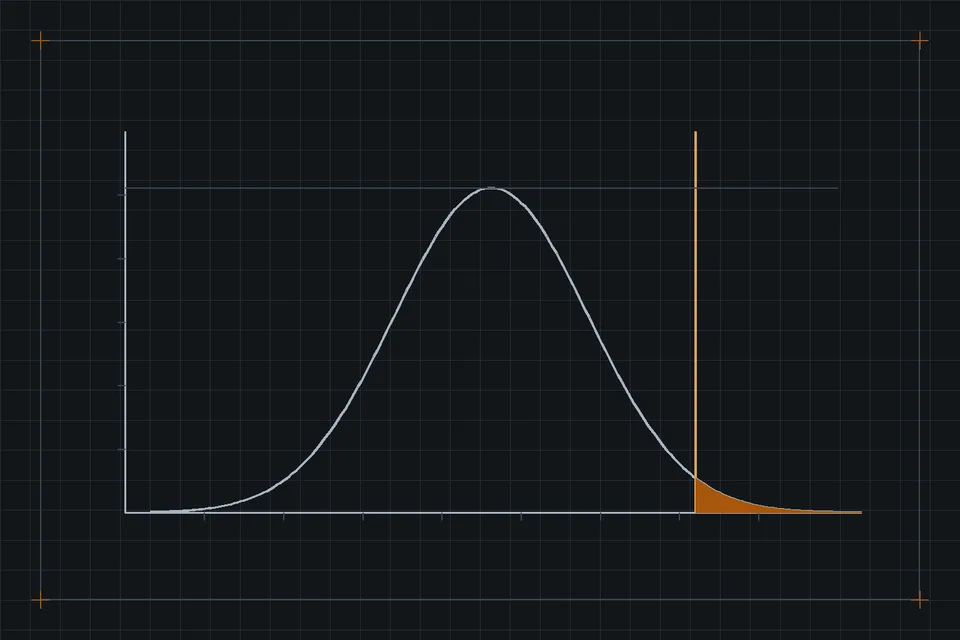 A five-year warranty that pays for nothing: reading LED warranty termsWhat a lighting warranty actually promises, why the failure fraction and the definition of failure decide its value, the exclusions that quietly remove most of the cost, how batch matching interacts with a replacement two years later, and eight clauses that make a warranty worth what it appears to be worth.
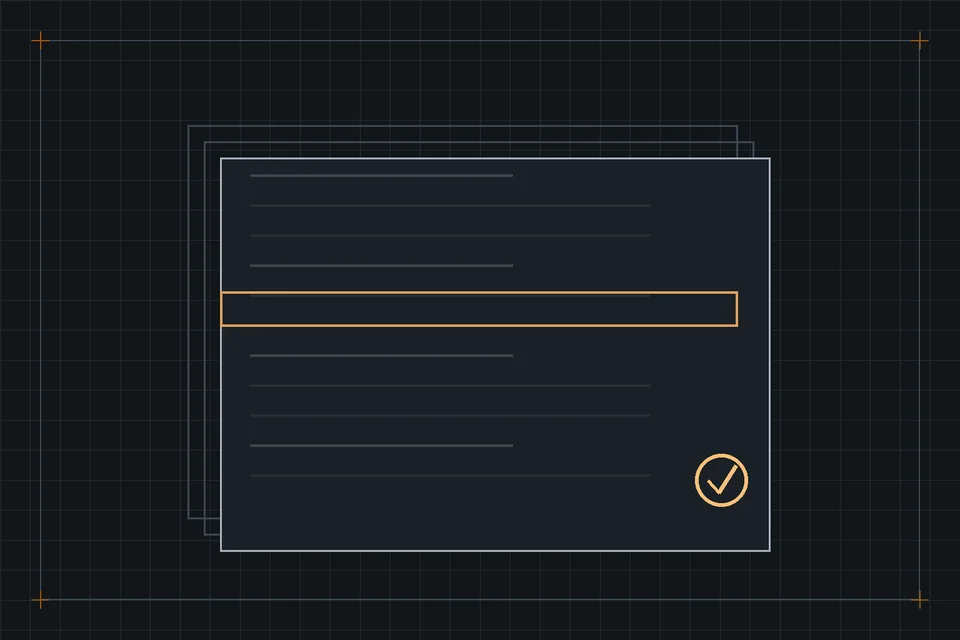 Accredited, or just printed: how to read a photometric test reportThe nine fields that distinguish a usable LM-79 report from a document with a logo, why accreditation scope matters more than the accreditation, what measurement uncertainty does to a marginal claim, and the questions that expose a report describing a different product from the one on offer.
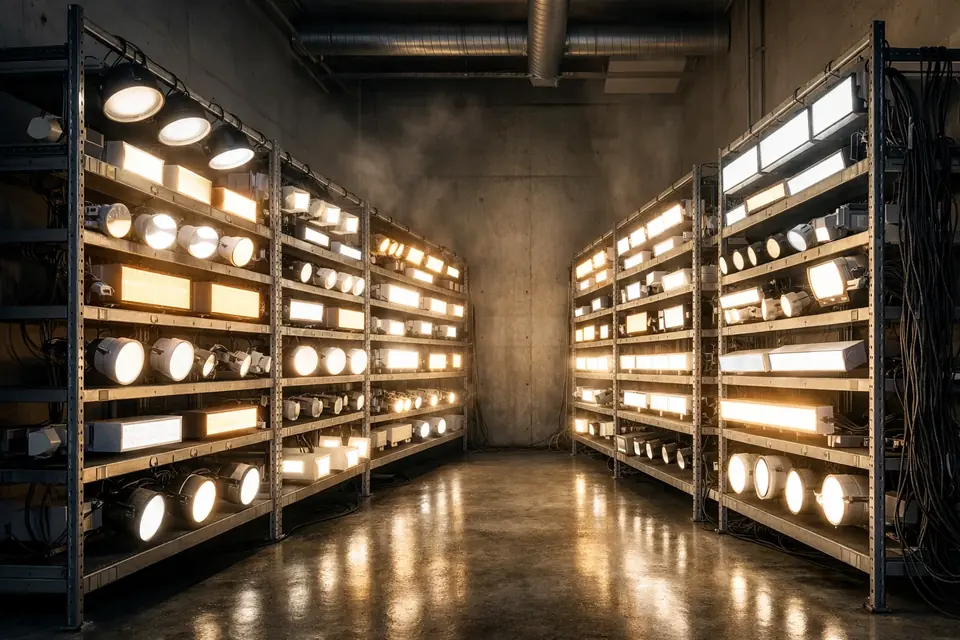 Burn-in: what a 72-hour soak test can and cannot proveWhy early failures cluster, what a pre-installation soak test actually catches, why accelerated ageing cannot validate a lumen maintenance claim, and a practical protocol for buyers without a laboratory.
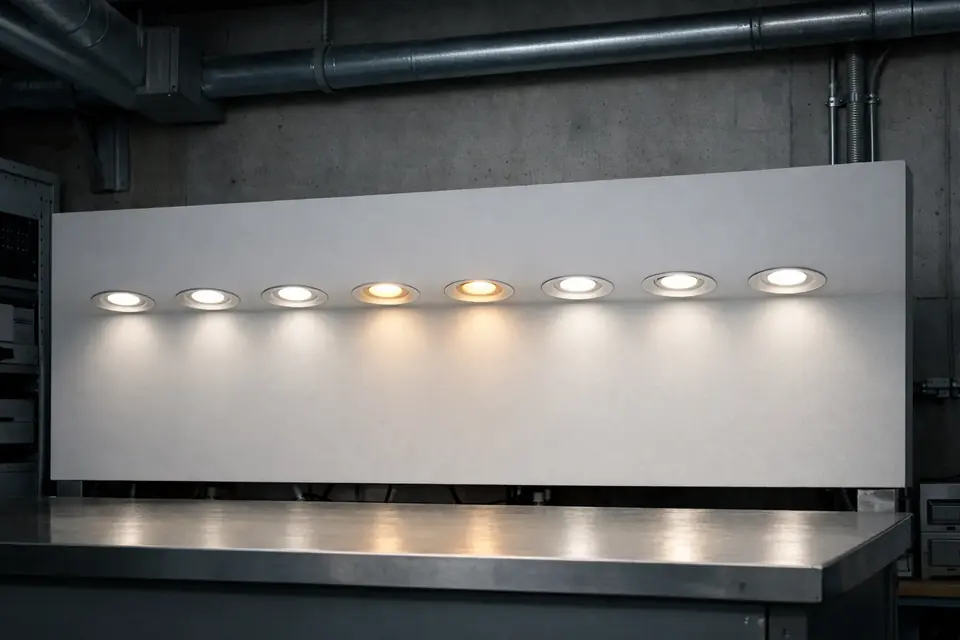 Colour consistency: why same-batch fittings still do not matchWhat an SDCM step actually bounds, why an ANSI chromaticity bin is not the same thing, the four stages between LED binning and installed colour where consistency is lost, and a wall test that settles an argument in twenty minutes.
 Incoming inspection: seven checks that catch a substituted batchWhat to test when luminaires arrive rather than after they are installed — sampling across the delivery, the electrical, photometric, colour, flicker, thermal and mechanical checks, and a blank worksheet to record them against.
 The handover pack decides what the building costs for the next fifteen yearsThe eleven documents a lighting installation should be handed over with, why the missing ones are always the same ones, what a witnessed acceptance test should actually witness, and how to tie the pack to a payment milestone so that it exists.